
On Social Media
Technology itself is not the problem. The challenge is whether we remain its masters—or become its servants.
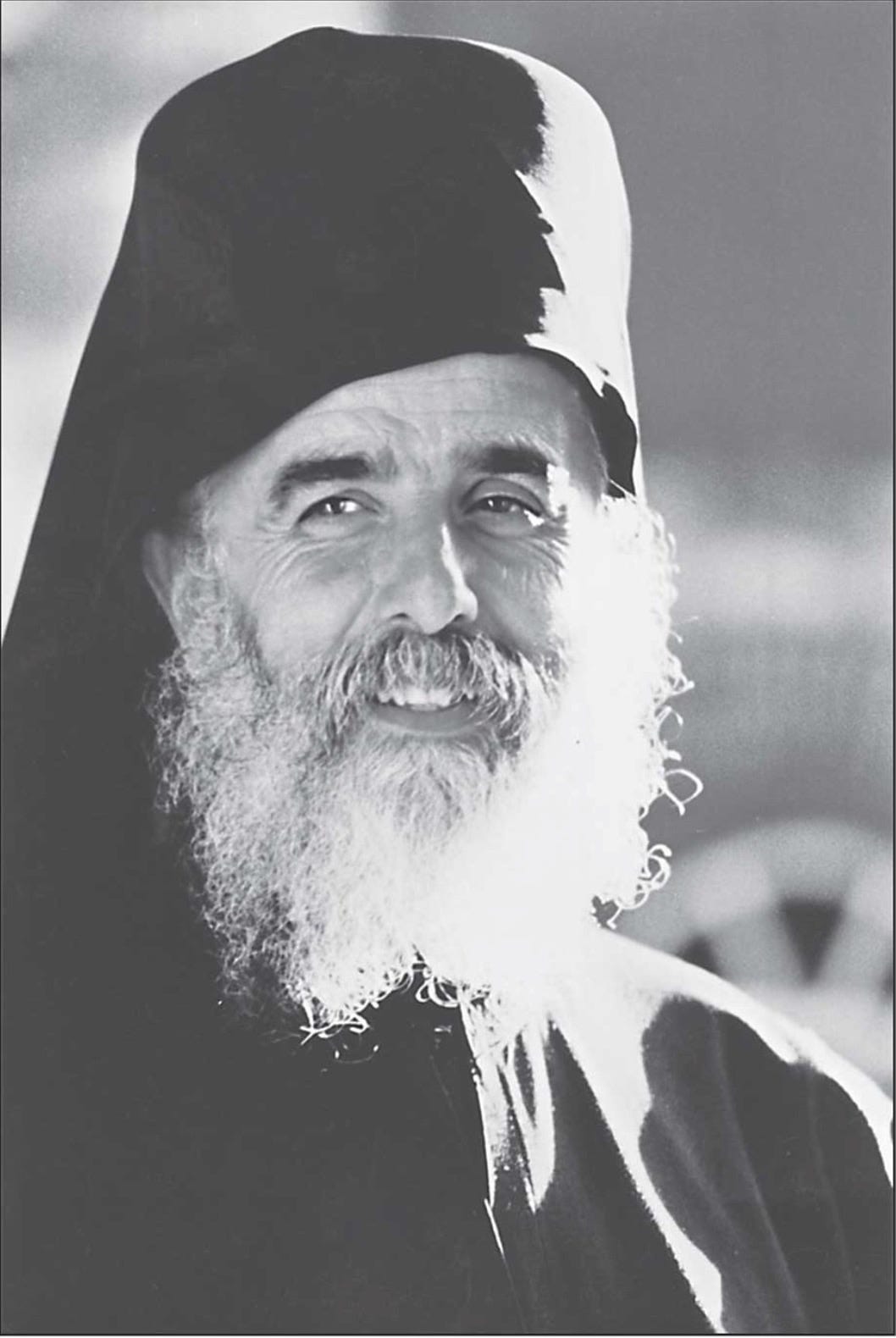
When the hermit-priest Fr. Isaac Atallah, a disciple of St. Paisios the Athonite, visited the Archdiocese of Latakia in the 1980s, I accompanied him. At that time, video players had only recently appeared on the market. Wherever Fr. Isaac went, people would first ask him about the video device: What are the harms and benefits of using it? Is having it in the home a blessing or a curse?
Fr. Isaac used to answer them this way: “Does this device not have an on/off switch? The problem, my beloved, is not in the device itself. When you see that it will harm you, you simply turn it off.”
I begin with this experience in order to speak about social media, now available in everyone’s hands. How should we deal with it? How do believers interact with what they watch or read through it? And are they aware of the need to limit its use—at least partially—so that it does not enslave them and scatter their minds in things that neither benefit nor edify? Do they realize that wasting time on these applications can become a sin and may even lead to depression, since it deepens loneliness and isolation and makes life more burdensome?
Is this not exactly what is happening with these social media, but on a broader, deeper, and more dangerous scale than the old video player? These platforms have multiplied, and their applications continue to evolve with ever newer and more attractive features. Will we realize that our failure to cultivate proper conduct, discipline, and virtue in our lives has allowed these platforms to expose our weaknesses publicly, increase our sins, and unleash our anger and reactions everywhere and against everyone? Have emotional impulses not become the master of the moment, with reckless comments appearing instantly and without any careful verification of information?
Even more dangerous is the harm inflicted on others, whether knowingly or unknowingly. The danger of speaking badly about others or exposing their secrets on social media lies in our inability to repair the damage once we later recognize our sin. When I gossip or slander someone privately, I may apologize and mend the situation once I realize the evil I have done. But on social media, countless people who read what I wrote will never know of my repentance, while the harm done to the other person remains. My judgment will be severe.
Our spiritual literature tells the story that St. Macarius once asked to see hell, and his request was granted in a vision. Among the things he saw were people hanging by their tongues from spears while fire burned beneath them. When he asked about their sin, he was told: These are the ones who spread secrets and carried rumors from house to house.
If we apply this story to our present reality, what will be the judgment of those who publicly disgrace others and expose their secrets before millions of readers on the internet?
There are morals and virtues that every Christian must possess. Christianity is not merely a social identity or outward lifestyle; it is a way of life in which our virtues and morals become visible. Outwardly, you reveal what exists inwardly. Self-control, refraining from hasty judgment, and resisting the urge to believe and spread everything we hear are the very least we should require of ourselves.
St. Silouan the Athonite considered reading newspapers to be the darkening of the soul and an obstacle to “pure prayer.” What then should we say today about the endless flood of news pouring upon us like heavy winter rain? At the time, he spoke only about newspapers — the sole means of learning the news in the early twentieth century. And newspapers are tacit: they merely report events without interaction. What would the saint say today about social media, which not only transmits news but also allows every reader to instantly become an editor and commentator?
Do we realize how much time we consume reading and debating trivial matters, many of which are not even true and bring us no benefit whatsoever? Do we stop to consider what useful things we could have accomplished during the time wasted scrolling? Beyond that, we willingly disturb our minds and trouble our souls with our own hands. Do we realize how easily we are carried away by rumors and falsehoods, without using discernment or examining what we read and hear?
I will not give lessons in morality and etiquette; whoever has not been formed by the Gospel will not be corrected merely by manners. Yet there are still some necessary pieces of advice for whoever wishes to listen.
Stand before your icons (if you are at home), make the sign of the cross, and pray before opening your electronic device. Ask the Holy Spirit to guide you so that you may use it for what is good and beneficial to others, and only then begin browsing. It is also helpful to keep your prayer rope in your hand, reminding you that God is present.
Do not read what does not benefit you on these platforms. Do not waste your precious time following what is useless. Remain vigilant lest you become emotionally agitated and wound others. Set aside a specific amount of time for browsing and strive as much as possible to use it only for what is useful, necessary, and beneficial. It may help to set an alarm for the amount of time you intend to spend online, so that you are not left endlessly with your device until it consumes all your time. Think before you write and pray several repetitions of the Jesus Prayer on your prayer rope.
Try instead to make use of your talents and abilities, devoting your time to developing them and serving others through them. Then you will discover the depth of joy that comes from such a life.
During a spiritual retreat, I asked the ladies attending to choose one specific hour each day during which they would turn off their mobile phones and live as though they did not own one. At first, they found it difficult, but they followed the advice and were astonished by the peace they experienced. Some even forgot about their phones for the entire day.
Try this yourself. Dedicate one hour each day to living as though you own no electronic means of communication, and you may discover a measure of inner peace and quiet. Perhaps you will then become a messenger to others, offering from your own experience something that comforts and benefits them. In this way, you become a messenger of peace and joy—worthy of the name “Christian.”
Your Eminence, if you read this. This topic is timely and well-needed more than ever for myself and others I’m sure. Social media brings multiple temptations at once it seems, which makes it harder. I was taught to include social media in my fasting regimen corresponding to the four major fasting periods of the Church. I wonder if this will eventually be emphasized across the board in our digital age.
Thank you for these wise words of advice. It is tragic really that "social media" as made us more antisocial than ever.